
TikTok marketing for an anxiety relief app: the hands-off playbook
TikTok users scroll quickly and crave authentic, soothing content. Photo slideshows with calming visuals and relatable captions create a moment of pause. This format mirrors the app's promise of quick stress relief, showing before/after states or simple breathing exercises. Users share and save these slideshows, building trust without requiring video production effort.
Why most anxiety relief app marketing stalls
- ✕ Difficulty targeting users without stigmatizing mental health issues.
- ✕ Low conversion rates because users fear data privacy and stigma.
- ✕ Short attention span makes explaining app features a challenge.
The strategy that works in 2026
Post 3-4 times per week using a consistent color palette and sound. Use hooks like 'POV: you're finally calm' or 'the anxiety trick nobody told you'. Alternate between educational slides (how to) and relatable slides (memes). Avoid overly clinical or salesy language. Collaborate with micro-influencers who share mental health content.
Timing: Post daily slideshow at 7pm CST for peak evening anxiety relief searches.
Hooks that stop the scroll for adults with mild to moderate anxiety
First-slide captions in TikTok's native style. Want all of them with the full slide-by-slide breakdown? See the slideshow ideas for an anxiety relief app.
What the finished posts look like
Real slideshows generated and designed by ShortGen, untouched:

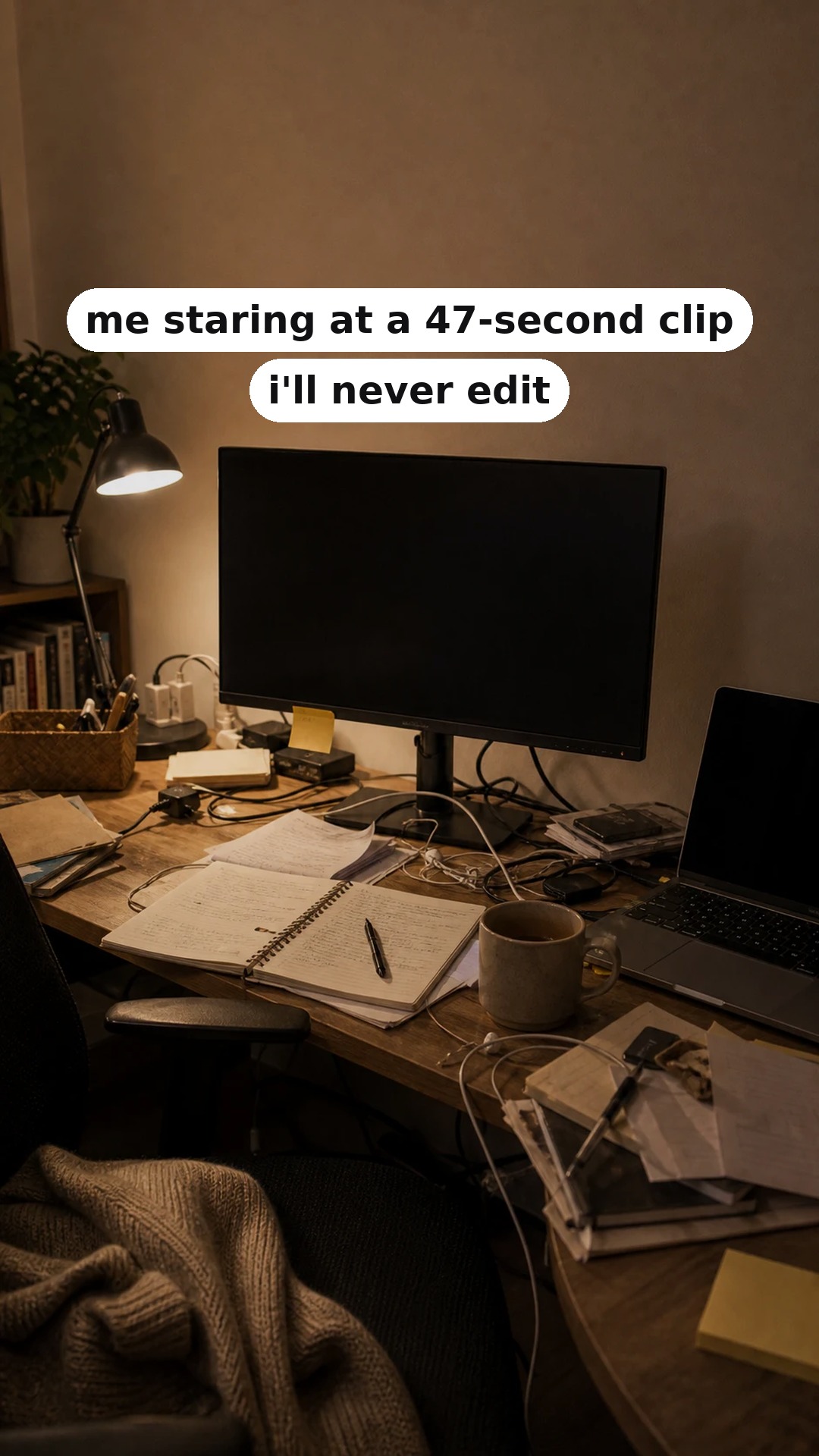

ShortGen does all of this for your anxiety relief app. Automatically.
It writes the slideshows, designs the slides, posts them to your TikTok on schedule, and learns from every view so next week's posts beat this week's. You only approve.
Questions anxiety relief app owners ask
How often should I post on TikTok for my anxiety app?
Post 3-5 times per week, focusing on consistent themes. Quality over quantity; one viral slide can outperform ten shaky videos.
What type of content works best for anxiety apps on TikTok?
Slideshows with calm visuals, relatable text overlays, and soft sounds. Show before/after states or quick exercises. Avoid triggering imagery.
Do I need professional equipment for TikTok slideshows?
No. Use app screenshots, stock photos, or simple graphics. Focus on the message and aesthetics rather than production value.